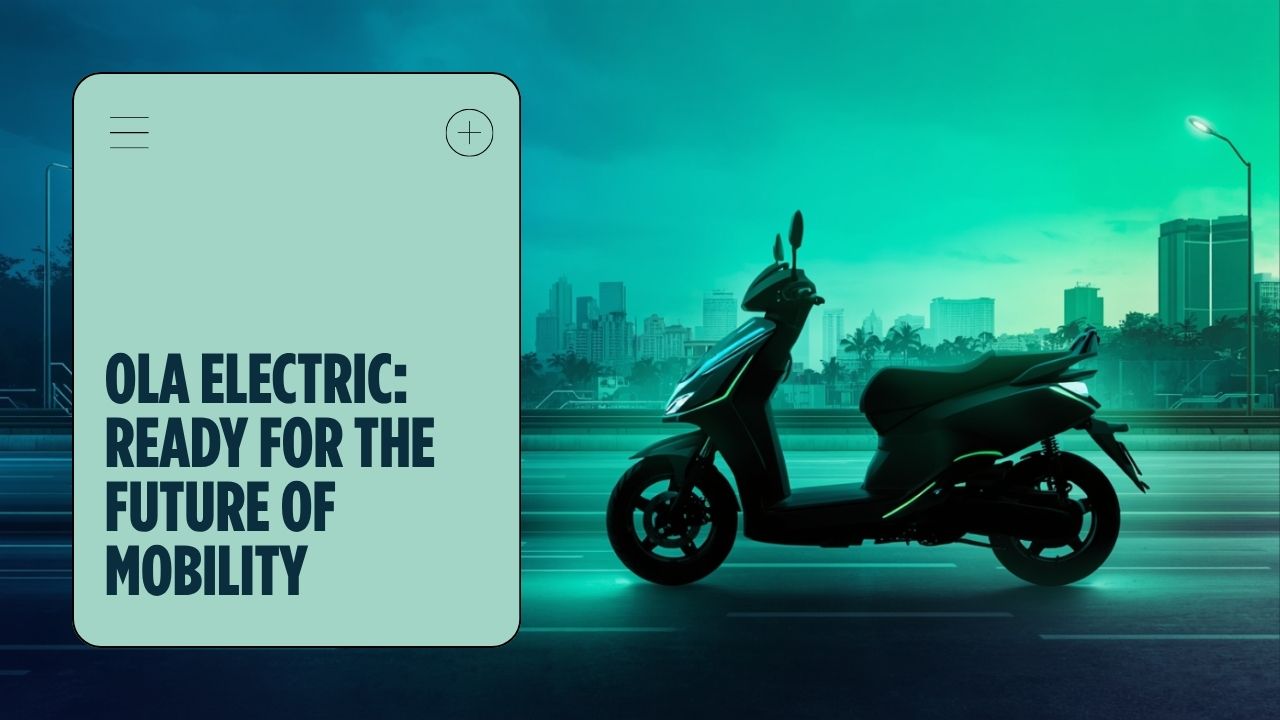
India’s electric vehicle market is changing fast, and Ola Electric Ready for 2026 is once again trying to position itself as a major player for 2026. After facing falling market share, financial pressure, and strong competition from brands like TVS, Bajaj, and Ather, the company is now focusing on cost reduction, battery manufacturing, new scooter launches, and expansion into commercial EVs.
The phrase “OLA Electric is Ready 2026” is becoming popular online as the company announces fresh investments and recovery plans. In this article, we explain what Ola Electric is planning for 2026, why the company is under pressure, and what these developments could mean for India’s EV market.
Ola Electric Ready for 2026 Strategy Explained
Ola Electric is preparing for a major reset in 2026. The company is investing heavily in local battery production, manufacturing expansion, and new electric two-wheelers to improve its position in India’s EV industry.
According to recent reports, Ola Electric plans to invest around ₹2,000 crore into its EV and battery cell business. The goal is to reduce dependence on imported battery components and improve profitability through localization and automation.
The company has also been working on its “Futurefactory” and battery Gigafactory in Tamil Nadu. These facilities are expected to play a major role in Ola’s long-term EV ambitions.
Why Ola Electric Faced Problems Before 2026
Although Ola Electric Ready for 2026 was once India’s top electric scooter company, the last year has been difficult for the brand.
Several reports showed a major drop in sales and market share. Rating agency ICRA downgraded Ola Electric because of weak sales, ongoing losses, and delayed profitability targets.
The company also faced criticism over customer service and product reliability. Industry analysts said many buyers started choosing established companies like TVS and Bajaj instead.
At one point, Ola Electric’s stock price also fell sharply after weak financial results and declining sales numbers.
However, the company has recently shown signs of recovery.
Ola Electric Sales Show Signs of Recovery
In March and April 2026, Ola Electric reported better registration numbers after several weak months. Government VAHAN registration data showed that the company crossed 10,000 monthly registrations again.
Reports also stated that Ola Electric became the first Indian EV company to cross 1 million cumulative registrations.
In April 2026, registrations reportedly increased by around 20% month-on-month despite the end of government EV subsidies under PM E-DRIVE.
The company believes better service support, lower production costs, and expanded product offerings can help improve growth in the coming months.
New Commercial Ola Electric Ready for 2026 Plans
One important part of Ola Electric’s 2026 strategy is entering the commercial EV market.
Recent reports said the company received regulatory approval for a new electric scooter designed for delivery workers, fleet operators, and quick-commerce businesses.
This could help Ola Electric enter India’s fast-growing commercial mobility segment, where demand for electric delivery vehicles is increasing rapidly because of food delivery and e-commerce services.
Experts believe this segment could become an important revenue source for EV companies over the next few years.
Focus on Battery Manufacturing and Cost Cutting
Battery cost is one of the biggest challenges for EV companies. Ola Electric is now trying to solve this problem through in-house battery cell production.
The company previously said that local battery manufacturing is important for long-term profitability. Reuters reported that Ola Electric wants to cut operating costs by nearly 50% over the coming quarters.
Industry observers say that if Ola succeeds in reducing battery costs and improving service quality, the company could become more competitive again in India’s EV market.
Competition in India’s EV Market Is Increasing
Even as Ola Electric Ready for 2026 works on recovery, competition is becoming stronger.
Companies like TVS Motor Company, Bajaj Auto, and Ather Energy are rapidly expanding their electric scooter business.
These brands have improved dealership networks, service centers, and customer trust. As a result, Ola Electric can no longer rely only on aggressive marketing and pricing.
The company now needs strong after-sales service, better product quality, and stable financial performance to stay competitive in 2026.
What This Means for Indian EV Buyers
For Indian consumers, the competition is actually creating more choices in the EV market.
Companies are launching new scooters with better battery range, more features, and improved pricing. Increased local manufacturing may also help reduce costs in the future.
If Ola Electric Ready for 2026 successfully improves quality and service, customers may benefit from stronger competition among brands.
At the same time, buyers are becoming more careful before purchasing EVs. Service support, battery warranty, and long-term reliability are now major decision factors.
What Happens Next for Ola Electric?
The next few months could be very important for Ola Electric.
The company is expected to focus on:
- Expanding battery manufacturing
- Launching affordable EV models
- Growing commercial electric scooter business
- Improving service network
- Reducing operational losses
Financial performance and monthly sales numbers in 2026 will likely decide whether Ola Electric Ready for 2026 can fully recover its position in India’s EV market.
Read More : MG Majestor Launched in India 2026
While the company still faces serious challenges, its latest investments and recovery plans show that Ola Electric is preparing aggressively for the future.
FAQs (Ola Electric Ready for 2026)
Is Ola Electric preparing new products for 2026?
Yes. Reports suggest the company is planning new affordable EV models and commercial electric scooters for delivery and fleet operations.
Why did Ola Electric lose market share?
The company faced service complaints, rising competition, and weak sales performance over the past year.
Is Ola Electric profitable now?
No. The company is still reporting losses, although recent reports showed some improvement in financial performance.
What is Ola Electric’s Futurefactory?
It is the company’s EV manufacturing hub in Tamil Nadu, where Ola plans large-scale production of electric vehicles and battery cells.
Will EV prices become cheaper in India?
Experts believe local battery manufacturing and increased competition could help reduce EV costs in the future.