India’s passenger vehicle market is changing rapidly, and Tata Motors Passenger Vehicles 2026 Passenger Vehicles (TMPV) is positioning itself for a major growth phase in 2026. From strong sales performance and expanding electric vehicle (EV) offerings to new product launches and market-share targets, the company is making significant moves in one of the world’s fastest-growing automobile markets.
This article explains the latest developments around Tata Motors Passenger Vehicles in 2026, the company’s future plans, its impact on Indian buyers, and what could happen next.
What Is Happening at Tata Motors Passenger Vehicles in 2026?
Tata Motors Passenger Vehicles has set ambitious goals for the coming years. According to recent company disclosures, the automaker is targeting an 18–20% market share in India’s passenger vehicle segment while aiming for double-digit profitability margins. The company plans to continue investing heavily in both conventional vehicles and electric mobility solutions.
The strategy comes as competition intensifies from rivals such as Maruti Suzuki, Hyundai, Mahindra, and several new EV-focused brands entering the Indian market.
Strong Sales Momentum Continues
Tata Motors Passenger Vehicles 2026 has reported strong passenger vehicle sales growth during 2026.
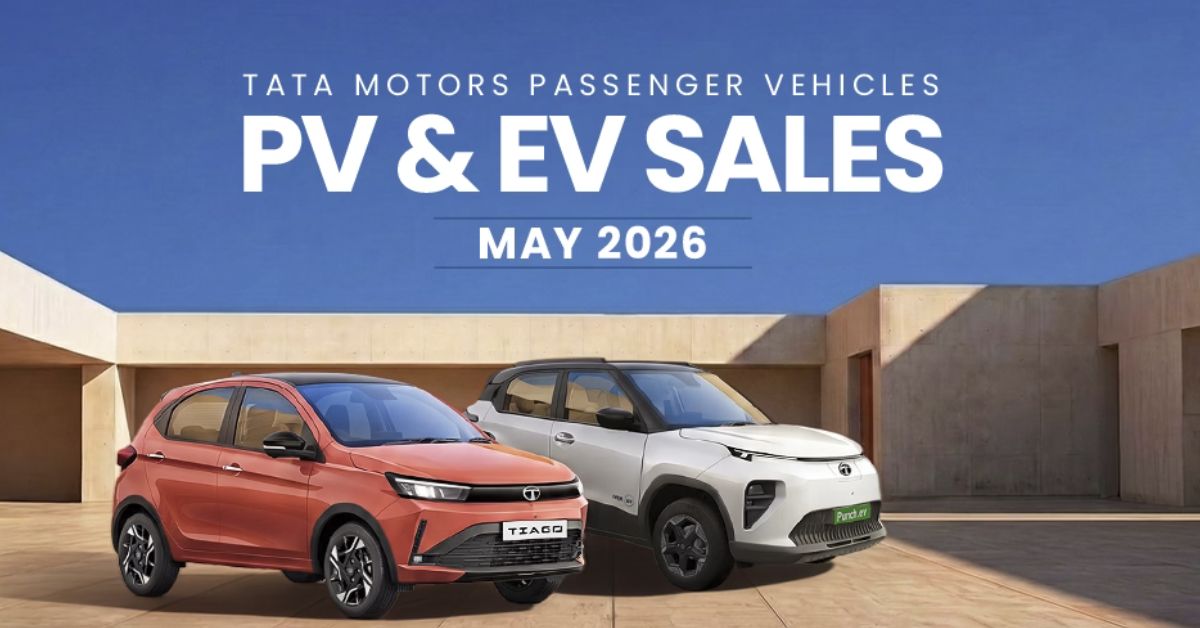
The company delivered around 59,790 passenger vehicles in May 2026, representing approximately 42% year-on-year growth. EV sales reached a record level of more than 10,500 units during the month, highlighting growing consumer interest in electric mobility.
The strong performance follows impressive sales results in earlier months as well, showing that Tata’s SUV and EV strategy continues to attract buyers across India.
Tata’s EV Strategy Remains a Key Growth Driver
Electric vehicles remain one of the biggest focus areas for Tata Motors.
The company has already established itself as one of India’s leading EV manufacturers through models such as the Nexon EV, Punch EV, Tiago EV, Curvv EV, and Harrier EV. The company has also announced plans to expand its EV portfolio further in the coming years.
A major upcoming launch is the Tata Sierra EV, which is expected to strengthen Tata’s position in the fast-growing electric SUV segment. Industry observers are closely watching the launch because it could attract both existing Tata customers and buyers switching from petrol or diesel vehicles.
New Launches Expected to Drive Growth
Tata Motors believes future growth will be supported by a strong pipeline of new vehicles.
The company has indicated that upcoming launches across multiple powertrain options—including petrol, diesel, CNG, and electric vehicles—will help it achieve industry-leading growth. Management has highlighted a multi-powertrain strategy as a key advantage in serving different customer preferences.
This approach allows Tata to participate in several market segments instead of depending only on EV demand.
Why Tata Motors Passenger Vehicles Matter in India
Tata Motors plays an important role in India’s automotive industry for several reasons.
First, it is one of the few domestic manufacturers competing directly with global automotive brands. Second, the company has become a major contributor to India’s EV ecosystem through investments in manufacturing, battery technology, and charging infrastructure.
Its continued expansion also supports employment, supplier networks, technology development, and local manufacturing initiatives.
As India pushes toward cleaner transportation and lower emissions, Tata’s EV investments are likely to remain highly significant.
Impact on Indian Car Buyers
For consumers, Tata’s growth strategy brings several benefits.
Buyers can expect more vehicle choices across SUVs, hatchbacks, sedans, and electric models. Increased competition may also encourage automakers to improve technology, safety features, and overall value.
At the same time, customers should note that Tata Motors has announced a passenger vehicle price increase of up to 1.5%, effective from July 1, 2026. The company cited rising input costs and inflationary pressures as key reasons for the revision. The increase applies to both internal combustion engine vehicles and EVs.
Industry Trends Supporting Tata’s Growth
Several broader market trends are working in Tata Motors’ favor.
SUV demand remains strong across India, while EV adoption continues to accelerate. Government initiatives supporting cleaner mobility and recent regulatory changes related to advanced vehicle safety technologies may further benefit automakers investing in innovation.
Industry estimates also suggest continued growth in India’s passenger vehicle market during 2026, creating additional opportunities for manufacturers with strong product portfolios.
Challenges Ahead
Despite strong momentum, Tata Motors still faces challenges.
Competition is increasing rapidly as rivals launch new SUVs and electric vehicles. Maintaining profitability while investing heavily in future technologies will require careful execution.
The company must also manage supply-chain costs, commodity price fluctuations, and changing consumer preferences. Recent vehicle price increases reflect some of these ongoing cost pressures.
What Happens Next for Tata Motors Passenger Vehicles?
The next few months could be important for Tata Motors.
Industry observers will closely watch:
Read More : Tata Motors Share Price 2026
- The launch and market response to the Tata Sierra EV.
- Growth in EV sales volumes.
- Progress toward the company’s 18–20% market-share target.
- Performance of newly introduced models.
- Customer reaction to recent price increases.
If current sales momentum continues, Tata Motors could further strengthen its position among India’s leading passenger vehicle manufacturers.
(FAQs)(Tata Motors Passenger Vehicles 2026)
What is Tata Motors Passenger Vehicles (TMPV)?
TMPV is the passenger vehicle business of Tata Motors, responsible for cars, SUVs, and electric vehicles sold in India and several international markets.
Is Tata Motors focusing on electric vehicles in 2026?
Yes. EVs remain a major part of the company’s strategy, with continued investments, new launches, and expansion of its electric vehicle portfolio.
Has Tata Motors increased car prices in 2026?
Yes. Tata Motors announced a price increase of up to 1.5% across its passenger vehicle range from July 1, 2026.
What market share is Tata Motors targeting?
The company has stated that it aims to achieve an 18–20% share of India’s passenger vehicle market.
Which upcoming Tata vehicle is generating the most attention?
The Tata Sierra EV is among the most anticipated launches and is expected to compete in India’s growing electric SUV segment.