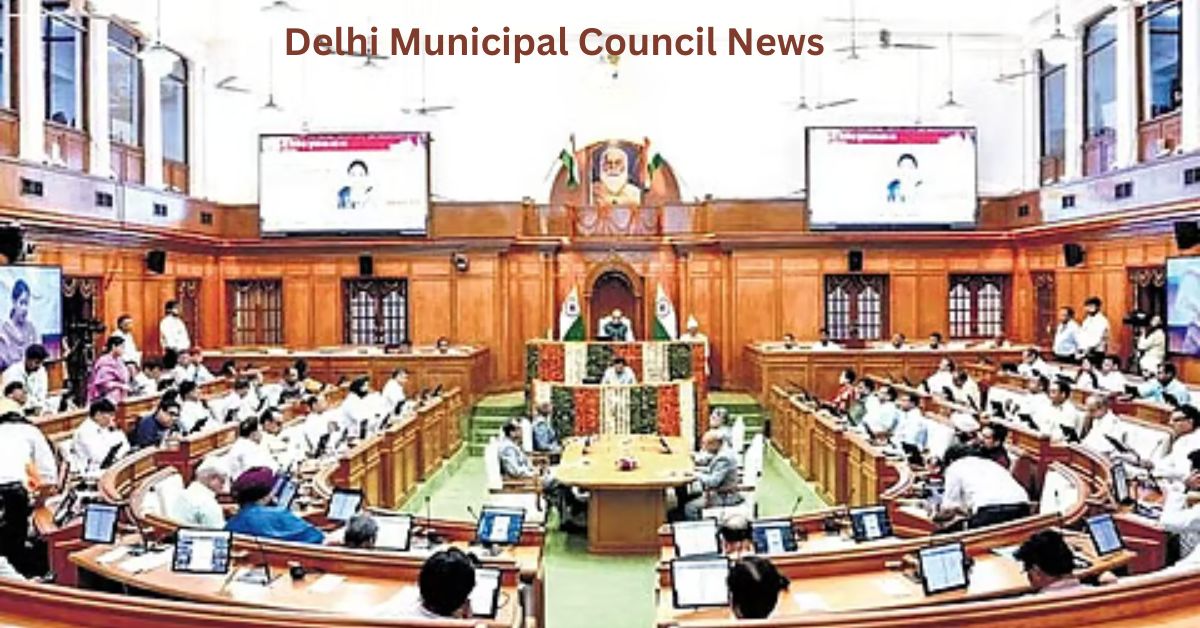
Delhi’s civic system is again in focus in Delhi Municipal Council News 2026 as several important updates have come from the city’s municipal bodies. From property tax changes and trade licence rules to sanitation work, street vendor committees, budget planning and service delivery reforms, these updates can affect residents, shopkeepers, vendors and property owners across the capital.
The keyword “Delhi Municipal Council News 2026” is broad because Delhi does not have only one civic body for the whole city. Most areas come under the Municipal Corporation of Delhi, or MCD. The New Delhi area comes under the New Delhi Municipal Council, or NDMC. Some areas are under the Delhi Cantonment Board. This article explains the latest confirmed updates in simple words and also clears the confusion between MCD and NDMC.
What Happened in Delhi Municipal News 2026?
The biggest civic updates in Delhi this year are connected with municipal budgets, property tax, trade licence rules, digital service reforms, street vending committees, sanitation work and illegal construction accountability.
MCD has been working on revenue, sanitation and public service reforms. NDMC has also listed its Budget 2026-27 documents on its official website, showing that civic planning for New Delhi areas is also active. At the same time, reports around illegal construction and service delivery have increased public attention on how municipal bodies work in the city.
For common people, these updates matter because municipal bodies handle daily-life services like roads, drains, waste collection, property tax, trade licences, parks, schools, public health services, street vending rules and local civic approvals.
MCD and NDMC: What Is the Difference?
Many readers search for “Delhi Municipal Council” but may actually want information about MCD or NDMC. The two are different.
MCD, or Municipal Corporation of Delhi, covers most of Delhi’s area and population. It handles a large number of local civic services across many zones and wards. NDMC, or New Delhi Municipal Council, handles the New Delhi area, including important government and diplomatic zones.
This difference is important because property tax rules, service portals, local works and public notices may be different for MCD and NDMC areas. A resident in Rohini, Najafgarh, Shahdara or Karol Bagh will usually deal with MCD. A resident or business in the NDMC area will deal with NDMC.
MCD Budget 2026-27: Sanitation and Civic Services in Focus
The MCD Budget 2026-27 has been one of the main civic updates. Earlier reports said the MCD Commissioner tabled a budget proposal of around Rs 16,530 crore for 2026-27, with no change in tax rates. Later reports said MCD cleared a larger budget of around Rs 17,583 crore, with sanitation receiving strong attention.
This shows that sanitation, waste management and local infrastructure continue to be major priorities for Delhi’s civic body. Delhi has long faced problems related to garbage collection, landfill sites, drainage, road cleaning and public toilets. Because of this, any budget focus on sanitation can directly affect daily life in the city.
For residents, the main thing to watch is not only the budget amount but also the actual implementation. People will judge the civic body by visible results such as cleaner streets, better drain cleaning before monsoon, quicker waste lifting and better maintenance of public facilities.
Property Tax and SUNIYO Amnesty Scheme Update
Property tax has remained a major topic in Delhi civic news. MCD’s SUNIYO property tax amnesty scheme was extended until April 30, 2026. The scheme was meant to help eligible property owners clear pending dues with relief on penalties and interest, according to official statements reported in the media.
This is important for property owners because unpaid property tax can cause problems during sale, transfer, mutation or future compliance. Generally, amnesty schemes are introduced to boost tax collection and also to give relief to the citizens who have pending dues.
However, property owners should always check the official MCD portal or official notices before making any payment. Rules, dates and eligibility can change, and only the official portal should be treated as final for payment and calculation.
Trade Licence and Property Tax Integration
Another important update is the integration of MCD property tax with the General Trade Licence system. Reports said the digital integration was expected to become fully operational by Monday after software changes.
Under the new system, the General Trade Licence fee is linked to property tax. Reports stated that the GTL fee will be calculated as 15 percent of the property tax. This change is important for shopkeepers, traders and business owners because it connects business licensing with property tax compliance.
But some traders have expressed concern. What is the key? It is how the system will work in buildings where one property has a number of shops or several businesses. For example, if traders are working out of the same building or even the same floor, it should be clear how the licence fee will be split or calculated.
This is why MCD’s portal changes and public communication will be important. If the system becomes simple and transparent, it may reduce confusion. If the rules are not explained well, small traders may face difficulty during licence renewal or new licence applications.
Street Vendors and Town Vending Committees
Street vendors are also in news in the Delhi municipality today. MCD is expected to hold elections for Town Vending Committees aka TVCs by July 2026. These committees are important because they help decide vending zones, no-vending zones, relocation rules and vendor related issues.
This update matters for thousands of street vendors who depend on daily sales for income. It also matters for residents and market associations because street vending affects traffic, footpath use, market crowding and local cleanliness.
The Street Vendors Act gives protection to vendors, but proper regulation is also needed so that vending spaces are managed in a planned way. If TVCs are formed properly, they can help balance livelihood protection with traffic and public-space management.
Desilting and Monsoon Preparedness
MCD has also claimed progress on pre-monsoon desilting work. Reports said that the civic body achieved more than its Phase-I desilting target by mid-June. Desilting is cleaning up drains to remove silt and waste so that rainwater flows properly.
This is a major issue for Delhi because waterlogging during monsoon is a regular problem in many areas. Even if the civic body clears drains, the result depends on whether silt is lifted quickly from roadsides and whether drains remain clear during heavy rainfall.
Residents should watch their local areas during the monsoon. If drains are blocked, complaints should be made through official civic channels. Good desilting is not only about reaching a target on paper; it should reduce waterlogging on the ground.
Service Delivery Reform: Faster Civic Approvals?
A new governance reform push is also being discussed in Delhi. Reports say departments such as MCD, DJB, DDA and Transport have been asked to review public services and simplify processes before digitising them.
This is an important idea because many citizens face delays in licences, certificates, permissions, payments and approvals. A fully digital service is useful only if the process behind it is simple. If old complicated rules are just moved online, people may still face problems.
The reform plan is expected to focus on cutting down on unnecessary approvals, using e-KYC, QR-coded certificates, digital payments and improved online systems. If done properly it can save residents and business time.
Illegal Construction and Civic Accountability
Illegal construction and building safety are also issues that are putting pressure on Delhi’s municipal bodies. In a recent case of building collapse near Saket, a report filed before the Supreme Court pulled up MCD for not taking timely action against alleged illegal construction.
This issue is serious because illegal construction can put lives at risk. It also raises questions about inspections, sealing action, building bye-laws and the responsibility of civic officials. For Delhi residents, this is not just a legal matter. It is a safety issue.
The next big test will be to see if illegal buildings will be monitored better, acted upon faster and held more accountable.
Why These Updates Matter for India
Moreover, as the National Capital of India, civic governance in Delhi is always under public scrutiny across the country. The problems of waste management, illegal construction, traffic congestion, waterlogging, property tax collection and digital approvals are not unique to Delhi. “Many Indian cities are grappling with similar issues.
If Delhi’s municipal reforms work well, they can become a model for other urban bodies. But if implementation is weak, residents may continue to face the same problems despite large budgets and new announcements.
Impact on Delhi Residents, Traders and Vendors
For residents, the biggest impact will be seen in sanitation, drainage, property tax services and local complaint handling. For traders, the property tax and trade licence integration is especially important. For street vendors, the TVC election process may decide how vending zones are planned.
Property owners should keep their documents, UPIC details and tax payment records updated. Traders should check the latest trade licence rules before renewal. Street vendors should follow official updates about vending certificates and committee elections.
What Happens Next?
The next few months will be important for Delhi’s civic bodies. MCD will need to show visible results in sanitation and drainage during the monsoon season. It will also need to make the property tax and trade licence system clear for traders.
Read More : Tata Motors Passenger Vehicles 2026
The TVC election process will be closely watched by vendors and market groups. The governance reform plan will also need proper implementation, not just announcements. NDMC’s Budget 2026-27 documents will guide civic works in New Delhi areas.
The developments can be explained through media reports but the real process is decided by official notifications, so readers should follow official MCD and NDMC portals for final notices, deadlines and payment rules.
FAQs (Delhi Municipal Council News 2026)
What is Delhi Municipal Council News 2026 about?
It refers to the latest civic updates related to Delhi’s municipal bodies, mainly MCD and NDMC. These updates include budget, property tax, trade licences, sanitation, street vendors and public services.
Is MCD the same as NDMC?
No. MCD and NDMC are different civic bodies. MCD covers most of Delhi, while NDMC handles the New Delhi area.
What is the MCD property tax amnesty scheme?
MCD’s SUNIYO scheme was introduced to help eligible property owners clear pending property tax dues with relief on penalties and interest. Citizens should check the official MCD portal for the latest rules.
What is the trade licence and property tax integration?
MCD is linking the General Trade Licence system with property tax. Reports say the GTL fee is being linked to property tax calculation, which may affect traders and shopkeepers.
Why are Town Vending Committees important?
Town Vending Committees help plan vending zones, no-vending zones and vendor relocation. They are important for street vendors, markets and traffic management.
Where should citizens check official Delhi municipal updates?
Citizens should check the official MCD website for MCD areas and the official NDMC website for New Delhi Municipal Council areas.